

The worst thing you can do in an interview is give a great answer that no one follows.
Here's why it happens and what to do instead.
🧵
You speak about 125 words per minute but the human brain processes around 400 wpm.
This causes the listener's brain to fill in the gaps with their own story and is exactly why some great answers lose the room.
Your experience isn’t wrong, it's that you have no structure to follow.
Strong communicators close this gap by giving the brain something to track:
↳ A clear structure
↳ Specific details
↳ Intentional pauses
↳ A point that actually lands
The one thing you can apply today:
Before you answer, start with your headline.
“I have a proven ability to influence stakeholders and these are the two things I focus on”
Now their brain has a map. And they'll follow you the whole way.
The best interview answers guide the listener's thinking while answering the question.
Which one is holding you back right now?
🥕No clear structure when you start
🥕Too much detail, not enough direction
🥕Losing your place when you go off script

Confidence opens doors.
Most of them, actually.
Not talent. Not the perfect resume. Not the right connections. 𝗖𝗼𝗻𝗳𝗶𝗱𝗲𝗻𝗰𝗲.
It's what determines whether you show up fully or hold back. Whether you speak up in the room or shrink. Whether you walk into a job interview owning your story or apologizing for it.
I learned this firsthand. Interview confidence didn't come after I succeeded. It came before. It's what made me try in the first place. 𝗜 𝗯𝗲𝗹𝗶𝗲𝘃𝗲 𝗜 𝗰𝗮𝗻, 𝗯𝗲𝗳𝗼𝗿𝗲 𝗜 𝘁𝗿𝘆.
This inner work makes the outer performance possible — the decision to 𝗯𝗮𝗰𝗸 𝘆𝗼𝘂𝗿𝘀𝗲𝗹𝗳 𝗯𝗲𝗳𝗼𝗿𝗲 𝗮𝗻𝘆𝗼𝗻𝗲 𝗲𝗹𝘀𝗲 𝗱𝗼𝗲𝘀.
And in interviews? Interview confidence isn't a bonus. It's the baseline. You can have all the right experience and still lose the offer to someone who walked in and owned it.
Interview preparation isn't just about your answers. It's about your presence.
𝗦𝗼 𝗯𝗲𝗳𝗼𝗿𝗲 𝘆𝗼𝘂𝗿 𝗻𝗲𝘅𝘁 𝗷𝗼𝗯 𝗶𝗻𝘁𝗲𝗿𝘃𝗶𝗲𝘄, 𝗮𝘀𝗸 𝘆𝗼𝘂𝗿𝘀𝗲𝗹𝗳: 𝗗𝗼 𝗜 𝗯𝗲𝗹𝗶𝗲𝘃𝗲 𝗜 𝗰𝗮𝗻 𝘀𝘂𝗰𝗰𝗲𝗲𝗱 𝗯𝗲𝗳𝗼𝗿𝗲 𝗜 𝘁𝗿𝘆?
If the answer isn't yes yet, that's exactly what we work on.
Practice Makes Better. Follow @Mock Interview Lab for real coaching tools and insights that change how you show up and get the offer.

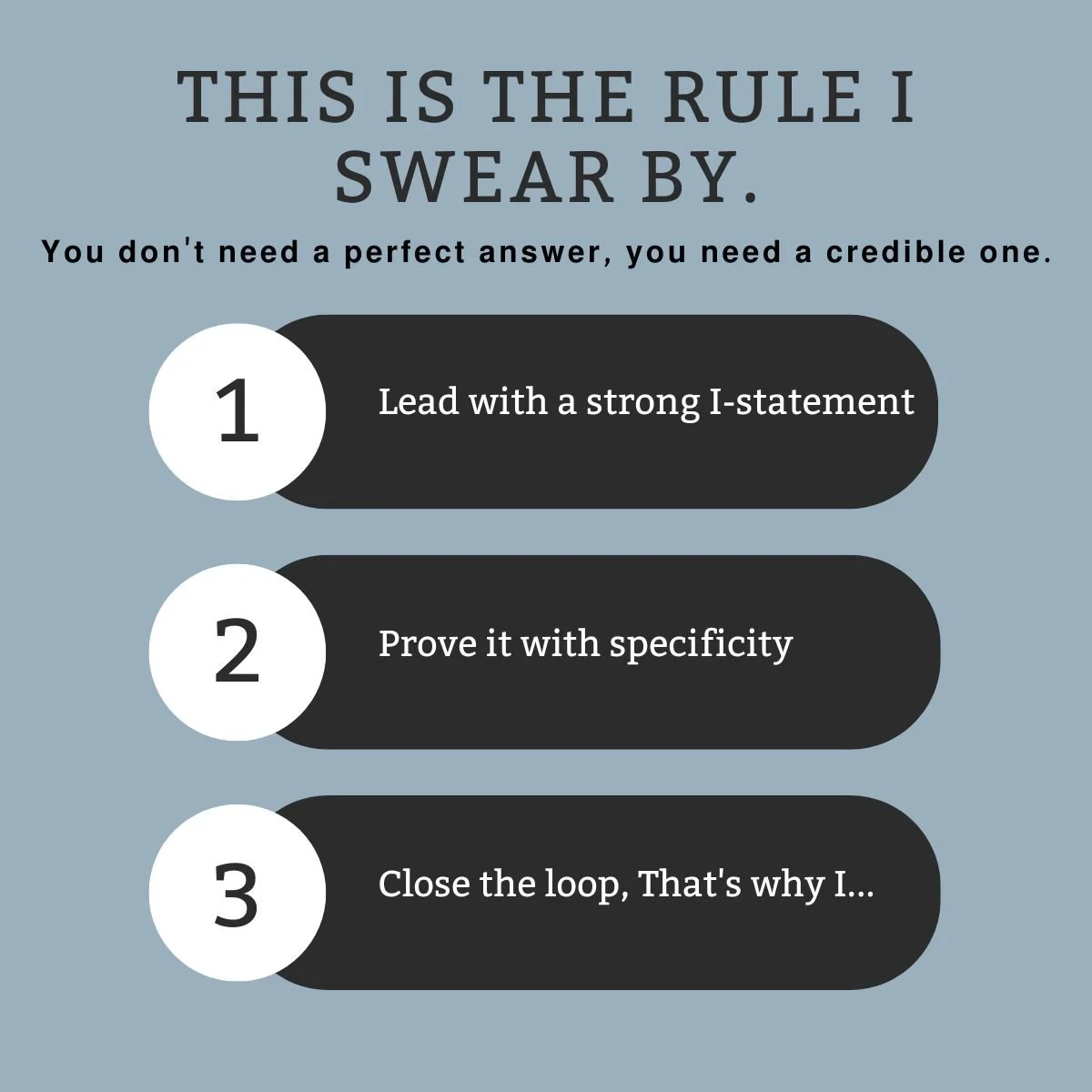
This is the rule I swear by.
You do not need to answer every interview question perfectly to get the offer. This is the rule I swear by.
The rule: 𝗬𝗼𝘂 𝗱𝗼𝗻'𝘁 𝗻𝗲𝗲𝗱 𝗮 𝗽𝗲𝗿𝗳𝗲𝗰𝘁 𝗮𝗻𝘀𝘄𝗲𝗿, 𝘆𝗼𝘂 𝗻𝗲𝗲𝗱 𝗮 𝗰𝗿𝗲𝗱𝗶𝗯𝗹𝗲 𝗼𝗻𝗲.
Do you think you have to nail every behavioral question with a polished, airtight story? Are you over-prepare scripts, freeze under pressure, and when it falls apart, you go back to square one convinced you're just "bad at interviews?"
Here's what I've seen work instead:
💬 Lead with a strong I-statement. One clear claim about your value sets the tone before your story even begins.
💬 Prove it with specificity, not perfection. A real story with context, your actions, and a measurable outcome lands harder than a polished-but-vague one every time.
💬 Close the loop with "That's why I..." It reinforces your message and gives the interviewer something to hold onto long after you leave the room.
Stop chasing interview preparation perfection and start building repeatable structure and real interview presence will take over.
It's time to stop surviving job interviews and start owning them.
You don't need perfect. You need repeatable.
What's one interview question you'd love to stop dreading? Drop it below 🔽
Practice Makes Better. Follow @ Mock Interview Lab for real coaching tools and insights that change how you show up and get the offer.
𝗖𝗹𝗲𝗮𝗿 𝗴𝗲𝘁𝘀 𝘆𝗼𝘂 𝗵𝗶𝗿𝗲𝗱.
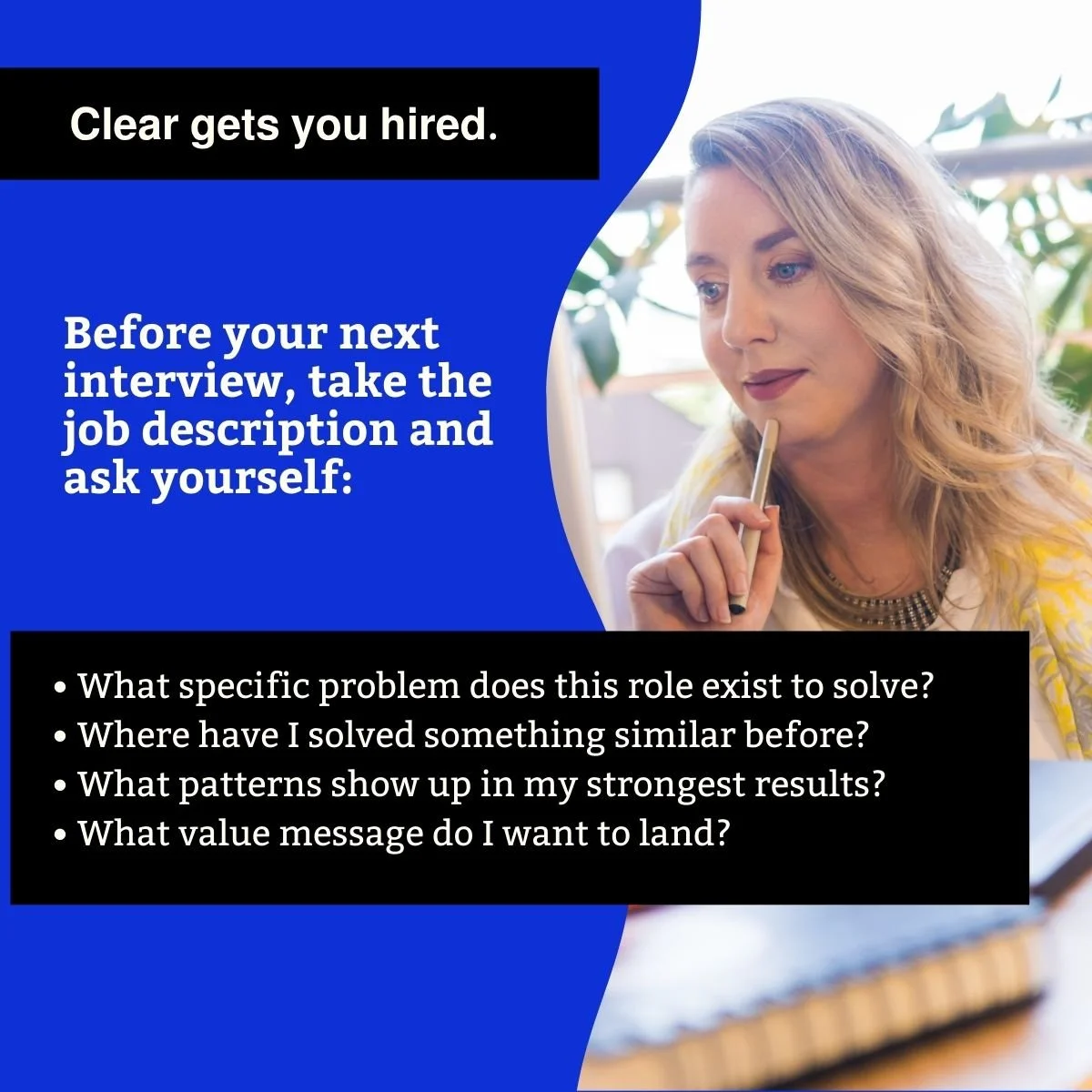
Strong interview performance is not about listing experience.
It is about demonstrating relevance to the role and alignment to the company’s needs.
Before your next interview, review the job description and ask:
• What business problem does this role exist to solve?
• Where have I solved a similar problem before?
• What measurable results prove it?
• What is the one value message I want the hiring manager to remember?
When you anchor your interview answers to one clear problem and back it with evidence, your storytelling becomes sharper. Your positioning becomes strategic. Your value becomes obvious.
Clarity in interviews is what gets you hired.
If you want structured mock interview practice and real-time feedback, join the next Mock Interview Studio cohort.
You lost the offer because you couldn't answer 3 interview questions:
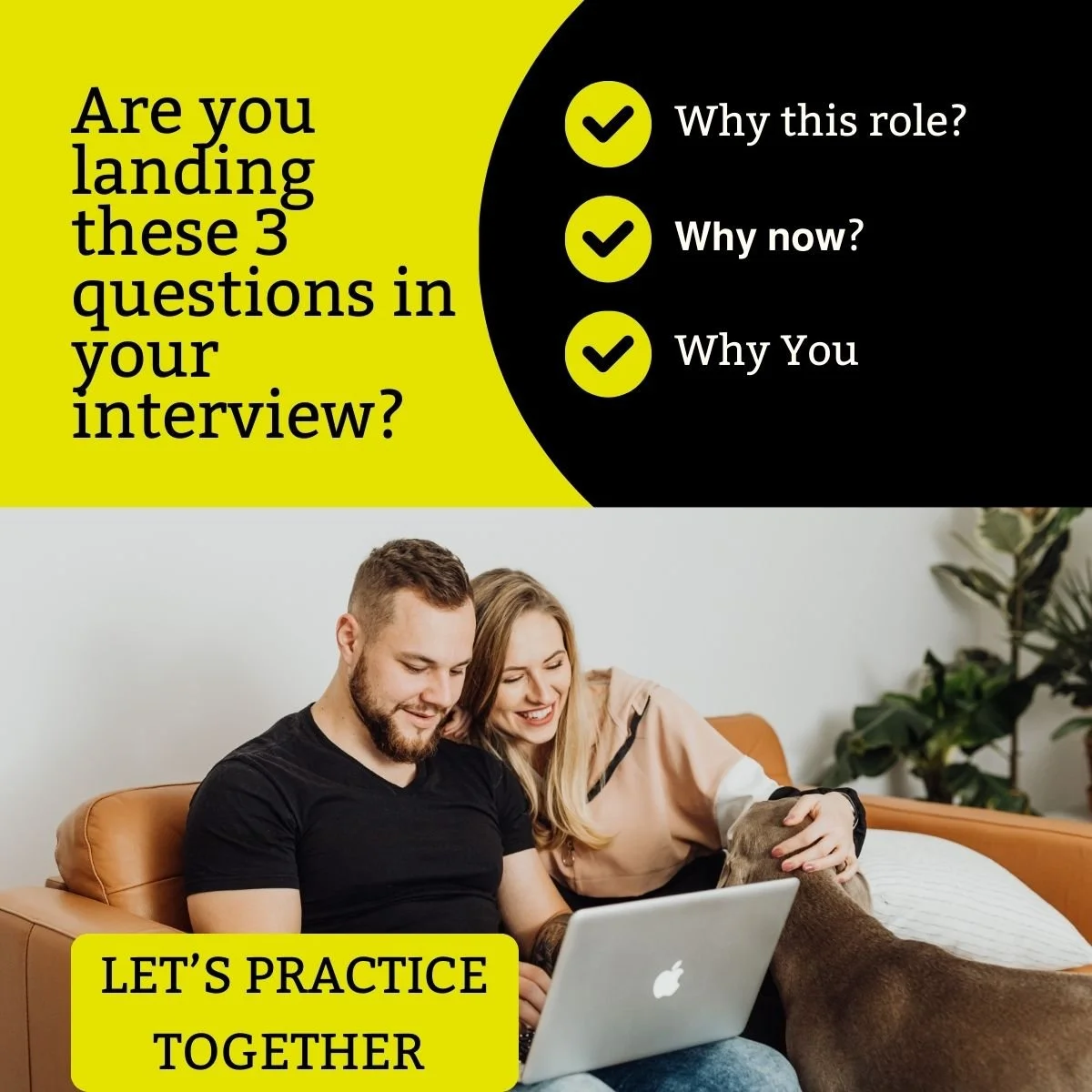
You didn't lose the offer because of your experience.
You lost it because you couldn't answer three interview questions:
▶️Why this role?
▶️𝗪𝗵𝘆 𝗻𝗼𝘄?
▶️Why you?
If your answer to any of those feels vague, you're not ready for your job interview yet but you can be.
𝗛𝗲𝗿𝗲'𝘀 𝗵𝗼𝘄 𝘁𝗼 𝗴𝗲𝘁 𝘁𝗵𝗲𝗿𝗲:
1. Lead with your Ultimate Value Message. Don't wait to impress. Open with the outcomes you drive and anchor the room before they form an opinion.
2. Connect your experience to their mission. Don't just recap your resume. Position yourself inside their future.
3. Use the I / Example / I interview framework:
→ I believe this role can...
→ I've proven this through [specific results]...
→ I intend to deliver [specific impact] here...
The candidates who get job offers aren't the loudest in the room. They're the clearest. And clarity comes with practice.
If your job interviews feel flat, confidence is the goal and interview structure is how you build it.
The more you practice with the right interview framework, the more natural and powerful your delivery becomes.
That's exactly what 𝘄𝗲 𝘄𝗼𝗿𝗸 𝗼𝗻 𝘁𝗼𝗴𝗲𝘁𝗵𝗲𝗿. I offer 1:1 interview coaching for high-stakes job interview preparation and small group coaching sessions where you practice live, get real feedback, and sharpen your interview delivery in real time.
Follow for real coaching moments and frameworks you can use today.
Practice Makes Better @